
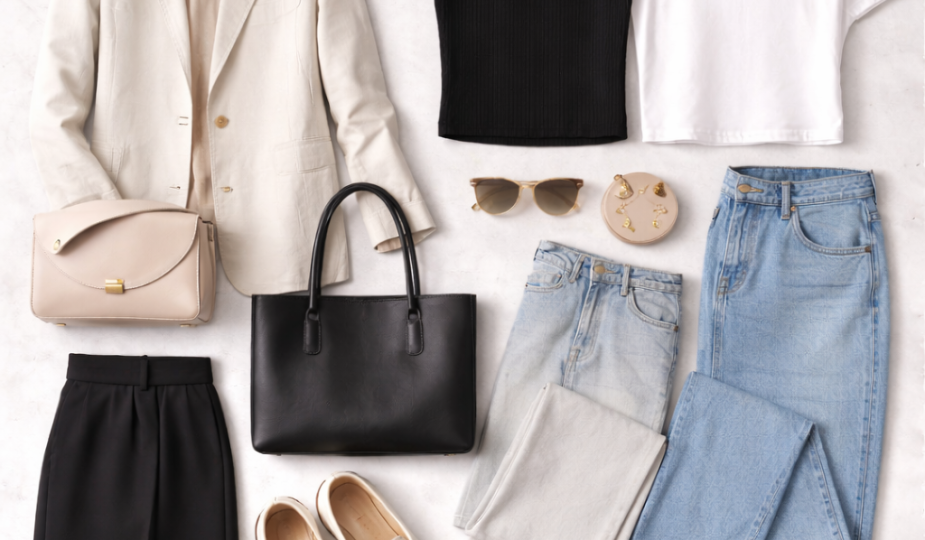
Minimalism in fashion is not about deprivation—it is about intention. A minimalist wardrobe replaces the daily friction of “nothing to wear” with a curated collection of pieces that work together effortlessly. For the modern woman balancing career, travel, and personal life, building a capsule-style closet is both a practical strategy and a lifestyle upgrade. This guide walks you through the process step by step, from auditing your current closet to maintaining your new system over time.
Why a Minimalist Wardrobe Matters
A minimalist wardrobe delivers measurable benefits that extend far beyond aesthetics. When every piece serves a purpose and pairs with multiple others, you reduce decision fatigue, spend less on impulse purchases, and gain a sharper personal style. Fewer, higher-quality garments also mean less textile waste and a lower environmental footprint—an increasingly important consideration for conscious consumers.
The core principle is simple: every item should earn its place. If a garment does not fit well, flatter you, or integrate with at least three other pieces, it does not belong in a minimalist closet.
Step 1: Audit Your Current Wardrobe
Begin by removing everything from your closet and categorizing items into three piles: keep, donate or sell, and repair. Be ruthless but practical. Ask yourself three questions for each piece:
- Does it fit? Ill-fitting clothes—regardless of quality or cost—will never be worn.
- Have I worn it in the past twelve months? Seasonal exceptions aside, a year of neglect is a reliable signal.
- Does it work with my lifestyle? A formal gown collection is not minimalist if you attend two events a year.
Track your findings. Most women discover that roughly 20 percent of their wardrobe accounts for 80 percent of what they actually wear—the classic Pareto principle applied to fashion.
Step 2: Define Your Personal Style and Color Palette
Minimalism thrives on cohesion. Before purchasing anything new, establish a defined color palette and silhouette preference. A neutral foundation—black, white, gray, navy, beige—maximizes outfit combinations, while two or three accent colors add personality without breaking harmony.
Building a Workable Palette
Document your palette in a note on your phone. When shopping, consult it before committing to a purchase. This single habit prevents the accumulation of orphan pieces that never get worn.
Step 3: Build the Core Capsule
A functional minimalist wardrobe typically contains between 30 and 40 pieces, including shoes and outerwear. The exact number matters less than the balance. The table below outlines a proven framework for a versatile capsule.
| Tops | 8–10 | White tees, silk blouses, fine-knit sweaters |
| Bottoms | 5–6 | Tailored trousers, dark denim, a midi skirt |
| Dresses | 2–3 | One day-to-night dress, one formal option |
| Outerwear | 3–4 | Trench coat, blazer, wool coat, casual jacket |
| Shoes | 4–5 | White sneakers, loafers, ankle boots, heels |
| Accessories | 5–7 | Structured bag, belt, minimal jewelry, scarf |
Prioritize quality over quantity. A single well-constructed blazer outperforms five fast-fashion alternatives in both longevity and appearance. Natural fibers—wool, cotton, linen, silk—typically drape better and age more gracefully than synthetics.
Step 4: Shop Strategically
Once your capsule framework is defined, fill gaps deliberately rather than recreationally. Adopt a one-in, one-out rule: for every new item, remove one existing piece. This keeps inventory stable and forces honest evaluation of each purchase.
- Create a wish list and wait 30 days before buying non-essentials.
- Invest in tailoring—a $20 alteration can transform an average fit into a perfect one.
- Favor versatile pieces that transition across seasons through layering.
Step 5: Maintain the System
A minimalist wardrobe is a living system, not a one-time project. Schedule a seasonal review—ideally at the start of spring and autumn—to rotate pieces, assess wear, and address any gaps. Store off-season clothing out of sight to reduce visual clutter and decision fatigue.
Care for your garments properly: follow washing instructions, invest in quality hangers, and learn basic repairs. Well-maintained clothing lasts longer, which is the quiet engine behind both minimalism and sustainability.
Conclusion
Creating a minimalist women’s wardrobe is an exercise in clarity. By auditing honestly, defining your palette, building a balanced capsule, and shopping with discipline, you trade a crowded closet for a focused, versatile collection. The result is less time deciding, more confidence dressing, and a wardrobe that genuinely reflects who you are—nothing more, and nothing less.