In the modern professional landscape, the way you present yourself speaks before you say a single word. Whether you are stepping into a boardroom, meeting a client, or logging into a video call, your appearance communicates competence, attention to detail, and respect for your role. Dressing smartly for business is not about spending a fortune on designer labels; it is about strategy, fit, and consistency. This guide breaks down the essential principles of professional dressing so you can build a wardrobe that works as hard as you do.
Why Professional Dress Still Matters
Even as workplace dress codes loosen, the psychology of appearance remains powerful. Research consistently shows that people form judgments about professionalism, credibility, and competence within seconds of meeting you. Smart dress signals that you take your work seriously, and it often influences how colleagues, clients, and leadership perceive your potential.
Beyond perception, dressing well affects your own performance. When you look polished, you tend to feel more confident and focused. For tech professionals in particular, where casual attire is common, a deliberate approach to dressing smartly can set you apart in client-facing roles, interviews, and leadership positions.
The Core Principles of Smart Business Dress
1. Fit Comes First
An inexpensive suit that fits perfectly will always outperform an expensive suit that hangs poorly. Prioritize tailoring over branding. Key fit checkpoints include:
- Shoulders: Jacket seams should align with the edge of your shoulders.
- Sleeves: Shirt cuffs should extend roughly half an inch beyond the jacket sleeve.
- Trousers: A slight break at the shoe is ideal; avoid pooling fabric.
- Shirts: The collar should sit snugly without pinching, and the body should allow comfortable movement.
2. Build a Neutral Foundation
Smart wardrobes are built on versatile, neutral pieces that mix and match effortlessly. Navy, charcoal, gray, black, white, and light blue form the backbone of professional attire. These colors project authority and pair easily, reducing daily decision fatigue.
3. Invest in Quality Fabrics
Fabric determines how clothing drapes, breathes, and endures. Natural fibers such as wool, cotton, and linen generally outperform synthetic blends in appearance and comfort. For suits, wool remains the gold standard; for shirts, high-thread-count cotton offers a crisp, professional finish.
4. Pay Attention to Grooming and Details
Smart dress extends beyond garments. Clean, polished shoes, a neat hairstyle, trimmed nails, and minimal fragrance complete the package. Details matter: a properly tied tie, a quality belt that matches your shoes, and a well-pressed shirt signal meticulousness.
Smart Dressing by Dress Code
Different environments demand different levels of formality. Use the following table as a quick reference for calibrating your attire.
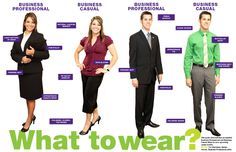
| Business Formal | Corporate leadership, finance, law | Tailored suit, dress shirt, tie, leather dress shoes |
| Business Professional | Client meetings, formal offices | Blazer, dress trousers or skirt, button-down shirt |
| Business Casual | Most modern offices, tech companies | Chinos or dark jeans, collared shirt, loafers or clean sneakers |
| Smart Casual | Creative agencies, startups | Unstructured blazer, knitwear, quality denim, minimal sneakers |
Practical Steps to Build Your Work Wardrobe
Dressing Smartly in Tech and Remote Work
The tech industry famously embraces casual dress, but “casual” does not mean careless. A well-fitted plain t-shirt, dark jeans, and clean minimal sneakers can look sharp and intentional. For video calls, focus on the visible frame: a collared shirt or structured top, a neat background, and good lighting communicate professionalism even from home.
Remember: the goal is not to overdress for the sake of it, but to demonstrate that you understand your environment and respect the people in it.
Common Mistakes to Avoid
- Ignoring fit: Ill-fitting clothing undermines even the most expensive garments.
- Over-accessorizing: Keep jewelry, patterns, and fragrances subtle and professional.
- Neglecting shoes: Scuffed footwear instantly detracts from an otherwise polished look.
- Wearing wrinkled or worn items: Press your clothes and retire pieces that show visible wear.
- Misreading the culture: When in doubt, err slightly on the formal side for interviews and client meetings.
Final Thoughts
Dressing smartly for business is a skill, and like any skill, it improves with intention and practice. Focus on fit, build a neutral foundation, tailor your choices to your environment, and maintain your wardrobe consistently. The result is more than a good outfit: it is a professional advantage that reinforces your credibility every time you walk into a room, or a meeting, prepared to succeed.