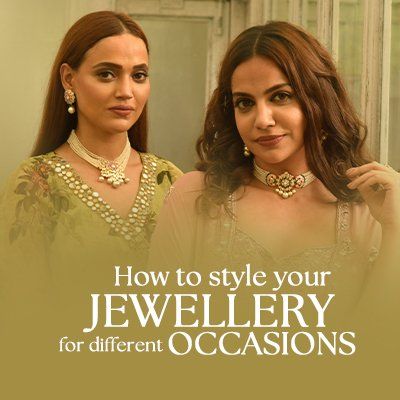
Jewelry is more than an accessory—it is a language. The right piece can elevate a business suit, soften a formal gown, or add personality to a casual weekend outfit. However, selecting jewelry for different occasions requires more than aesthetic instinct. It demands an understanding of dress codes, material durability, proportion, and the message you intend to convey. This guide breaks down the essential considerations for choosing jewelry across a range of occasions, helping you build a versatile collection and make confident styling decisions.
Start With the Occasion, Not the Jewelry Box
The most common mistake people make is choosing a favorite piece first and building an outfit around it. Instead, reverse the process. Before opening your jewelry box, define the occasion across three variables:
- Formality level: Is the event black-tie, business professional, smart casual, or relaxed?
- Duration and activity: Will you be seated at a gala, networking on your feet, or moving outdoors?
- Audience and environment: A boardroom, a wedding reception, and a music festival each carry different expectations.
These three factors determine the metal, scale, and quantity of jewelry that will feel appropriate and comfortable throughout the event.
Jewelry for Professional and Business Settings
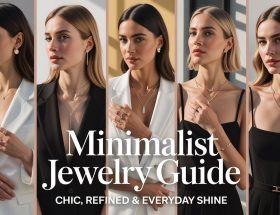
In professional environments, jewelry should signal polish and attention to detail without becoming a distraction. The guiding principle is restraint with intention.
Recommended Approach
- Keep it minimal: One focal piece—such as a structured watch, a single pendant, or small stud earrings—is usually sufficient.
- Choose quiet metals: Yellow gold, white gold, and platinum in polished or brushed finishes read as refined.
- Avoid noise: Dangling bangles that clink or oversized hoops can disrupt meetings and distract from your message.
- Prioritize quality: A well-made piece in a simple design outperforms several trend-driven items.
For interviews, err on the side of understatement. For a senior-level presentation or client dinner, you can introduce a slightly bolder signature piece, such as a sculptural ring or a fine chain necklace, provided the rest of the look remains clean.
Jewelry for Weddings and Formal Events
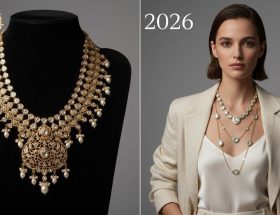
Formal occasions invite more expressive choices, but coordination matters. The key is to complement the dress code and the outfit rather than compete with them.
Guest Attire Considerations
Bridal and Bridal Party Jewelry
For brides, jewelry should harmonize with the dress detailing, hair styling, and personal heritage. Heirloom pieces add sentimental value, while modern designs suit minimalist gowns. Bridesmaids should follow the couple’s guidance and choose pieces that photograph well without pulling focus.
Jewelry for Casual and Everyday Wear
Everyday jewelry should balance durability, comfort, and personal expression. Since these pieces endure daily wear, material resilience matters as much as design.
- Choose durable materials: Stainless steel, solid gold, and sterling silver resist wear better than plated alternatives.
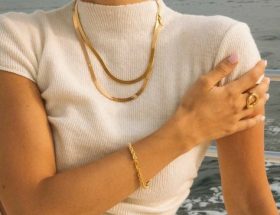
- Layer thoughtfully: Stacked rings and layered chains create visual interest, but keep the mix intentional—vary lengths and thicknesses for balance.
- Consider your routine: If you work with your hands or exercise frequently, opt for secure clasps and low-profile settings.
- Build a capsule: A small set of versatile pieces—hoops, a fine chain, a signet ring, and a reliable watch—covers most casual scenarios.
Jewelry for Evening, Parties, and Special Nights Out
Evening events allow for experimentation. This is where bold silhouettes, mixed metals, and statement stones come into play. However, impact is best achieved through focus. Select one hero piece—an oversized cuff, chandelier earrings, or a layered collar—and let the rest of your jewelry support it quietly.
Pay attention to lighting and photography. Faceted stones and high-polish metals catch light beautifully in dim venues, while matte finishes may disappear. If the event will be photographed extensively, choose pieces with clear shapes and reflective surfaces.
Quick Reference: Occasion-to-Jewelry Matrix
| Job interview / office | Business professional | Stud earrings, simple pendant, classic watch | Gold, platinum, sterling silver | Noisy bangles, oversized hoops |
| Client dinner / networking | Business casual to smart | Signature ring, fine chain, small drop earrings | Solid gold, quality gemstones | Excessive layering |
| Wedding guest (daytime) | Semi-formal | Delicate necklace, pearl studs, bracelet | Gold, pearls, light gemstones | Overly flashy or bridal-white pieces |
| Black-tie gala | Formal | Statement necklace or chandelier earrings, tennis bracelet | Diamonds, platinum, fine gold | Casual or novelty designs |
| Casual weekend | Relaxed | Layered chains, hoops, stacked rings | Stainless steel, sterling silver, solid gold | Fragile settings, delicate clasps |
| Party / night out | Festive | One hero piece: cuff, bold earrings, or collar | Mixed metals, faceted stones | Competing statement pieces |
Practical Tips for Building a Versatile Collection
Final Thoughts
Choosing jewelry for different occasions is ultimately an exercise in reading context and exercising restraint. The most effective jewelry choices are those that feel intentional—appropriate to the setting, comfortable to wear, and reflective of personal style. By anchoring decisions in formality, activity, and environment, you can move from casual mornings to formal evenings with confidence, knowing each piece serves its purpose precisely.