
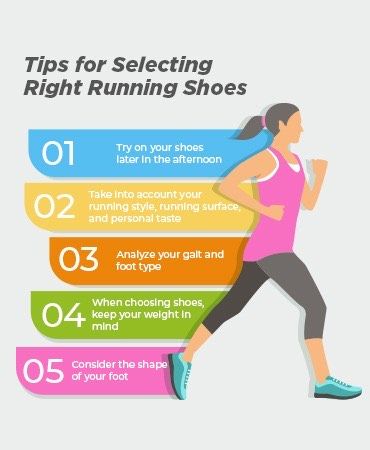
Running is one of the most accessible forms of exercise, yet it places significant stress on your body with every stride. Choosing the right running shoes is not a matter of brand loyalty or aesthetics—it is a technical decision that directly influences performance, injury risk, and long-term comfort. This guide breaks down the essential factors every runner should evaluate before investing in a new pair.
Understand Your Foot Mechanics
Before browsing any product catalog, you need to understand how your foot behaves during the gait cycle. The three primary foot strike patterns—neutral, overpronation, and supination—determine which category of shoe will serve you best.
- Neutral: The foot rolls inward slightly, distributing impact evenly. Most runners fall into this category and can wear neutral shoes.
- Overpronation: The foot rolls excessively inward, often linked to flat arches. Stability or motion-control shoes are typically recommended.
- Supination (underpronation): The foot rolls outward, placing stress on the outer edge. Cushioned neutral shoes usually work well here.
A professional gait analysis at a specialty running store remains the most reliable way to identify your pattern. Many stores now use pressure plates and video analysis, giving you objective data rather than guesswork.
Match the Shoe to Your Running Style
Your training habits matter as much as your foot type. A shoe designed for daily road miles is not the same as one built for trail running or race day. Consider the following categories:
Evaluate Cushioning and Stack Height
Cushioning absorbs impact and reduces fatigue, but more is not always better. Higher stack heights provide comfort on long distances, while lower stack heights offer greater ground feel and stability. Runners with joint sensitivity or high weekly mileage often benefit from additional cushioning, whereas those prioritizing responsiveness may prefer a firmer, lower-profile shoe.
Prioritize Fit Above All Else
No technology compensates for a poor fit. Follow these fit principles when trying on shoes:
- Allow a thumb’s width of space between your longest toe and the shoe’s end.
- Ensure the heel is locked in without excessive slipping.
- Check that the widest part of your foot aligns with the shoe’s widest point.
- Try shoes on later in the day, when feet are naturally slightly swollen.
- Wear the socks you typically run in during fitting.
Consider Weight, Drop, and Durability
Heel-to-toe drop—the difference in height between the heel and forefoot—affects running mechanics. Traditional shoes range from 8–12mm, while lower-drop shoes (0–6mm) encourage a more midfoot strike. Transition gradually if you are new to lower drops.
Shoe weight matters most for speed work and racing, where every ounce counts. For daily training, durability and comfort should take precedence. Most quality running shoes last between 300 and 500 miles, depending on your weight, surface, and stride.
Quick Comparison of Shoe Categories
| Neutral Trainer | Most runners, daily miles | 8–12mm | Balanced cushioning |
| Stability | Overpronators | 8–10mm | Medial support |
| Trail | Off-road running | 4–10mm | Aggressive outsole |
| Racing | Speed and competition | 4–8mm | Lightweight, carbon plate |
| Maximalist | Long-distance comfort | 4–8mm | High stack height |
Test Before You Commit
Whenever possible, purchase from retailers with generous return policies that allow you to run indoors or on a treadmill before committing. Many specialty stores offer trial periods of 30 to 90 days. Take advantage of these programs—a shoe that feels fine in the store may reveal issues after ten miles.
The Bottom Line
Choosing the right running shoes requires balancing foot mechanics, training style, fit, and durability. Start with a gait analysis, prioritize fit over marketing claims, and rotate at least two pairs to extend shoe life and reduce repetitive stress. Invest the time in getting this decision right—your joints, your performance, and your running longevity will all benefit.