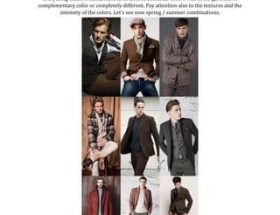

Fit is the single most important factor in how a garment looks and feels. A well-tailored inexpensive shirt will almost always outperform a poorly fitted designer piece. Yet many men still rely on guesswork—buying the size they have always worn, or sizing up “just in case.” This guide breaks down the principles of proper fit by garment category, explains how to read sizing charts, and offers practical steps for building a wardrobe that fits correctly and consistently.
Why Fit Matters More Than Brand or Price
Clothing that fits properly does three things: it flatters your proportions, it moves with your body, and it communicates attention to detail. A jacket that pulls across the chest or trousers that pool at the ankle create visual noise that no logo can offset. Fit is also a matter of comfort and longevity—garments that are too tight wear out faster at stress points, while oversized clothing loses its structure over time.
The good news is that fit is learnable. Once you understand a few core measurements and the difference between tailored and relaxed silhouettes, you can evaluate any garment quickly and confidently.
Start With Accurate Measurements
Before shopping, take your measurements with a flexible tape measure. Ask someone to help for the most accurate results, and measure over light clothing.
- Chest: Measure around the fullest part of your chest, keeping the tape level under your arms.
- Waist: Measure at your natural waistline, typically just above the navel.
- Hips: Measure around the fullest part of your seat.
- Inseam: Measure from the crotch seam to your desired hem length.
- Sleeve length: Measure from the shoulder seam to the wrist bone.
- Neck: Measure around the base of your neck, adding roughly half an inch for comfort.
Record these numbers and keep them accessible on your phone. They will save you time in fitting rooms and reduce the guesswork of online shopping.
How Each Garment Should Fit
Shirts and Tops
A dress shirt should sit close to the body without pulling. The shoulder seam should land at the edge of your shoulder bone—not beyond it. You should be able to fit roughly two fingers inside the collar. When you raise your arms, the cuffs should not ride up past your wrist. Casual shirts and knitwear can be more relaxed, but the shoulder line remains the key checkpoint.
Jackets and Blazers
Jacket fit is the most technical category. The shoulder is the hardest area to alter, so it must be correct off the rack. The lapels should lie flat against the chest, and you should be able to button the jacket comfortably without strain. Sleeve length should end at the wrist bone so that a quarter to half inch of shirt cuff shows.
Trousers and Denim
Waistbands should sit where you naturally wear your trousers—no belt required to hold them up. The seat should be snug but not tight, and the fabric should drape cleanly with a slight break at the shoe. Straight and slim fits suit most builds; avoid extreme taper unless it matches your proportions.
Suits and Formalwear
A suit jacket follows the same rules as a blazer, with additional attention to the trouser break and the overall silhouette. Choose a fit that follows your body’s lines rather than fighting them, and budget for minor alterations—hemming and waist adjustments are inexpensive and transformative.
Reading Sizing Charts Like a Professional
Vanity sizing varies widely between brands, so always consult the specific size chart rather than assuming your usual size. Compare your measurements to the chart’s garment measurements, not to your body measurements alone—this difference accounts for the intended ease or looseness of the cut.
| Dress shirt | Chest and neck | Two fingers inside collar; no pulling at buttons |
| Blazer | Shoulder width | Seam at shoulder bone; buttons without strain |
| Trousers | Waist and inseam | No belt needed; slight break at shoe |
| Knitwear | Chest | Sits close without clinging; sleeves reach wrist |
Practical Steps for Consistent Fit
The Bottom Line
Choosing the right fit is not about achieving a single ideal silhouette—it is about understanding your measurements and matching them to garments designed for your body. Learn the checkpoints for each category, verify sizing charts, and invest in minor alterations where needed. Done consistently, this approach yields a wardrobe that looks intentional, feels comfortable, and performs well for years.