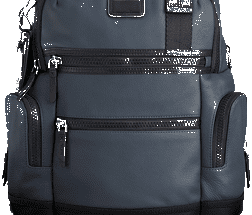
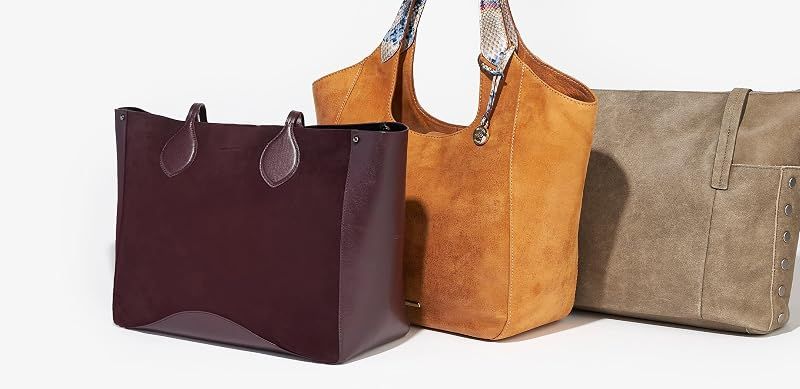
In an era defined by hybrid work, constant connectivity, and the demand for both function and aesthetics, the everyday handbag has evolved far beyond a simple accessory. It is now a mobile command center, a statement of personal brand, and a daily workhorse that must withstand the rigors of modern life. Yet, for all its importance, selecting the right one remains a surprisingly complex decision. This guide breaks down the essential criteria—from materials and organization to ergonomics and technology integration—so you can choose with confidence and clarity.
Start With Purpose, Not Appearance
Before you fall in love with a silhouette or a seasonal color, define the bag’s primary role. Ask yourself a few direct questions:
- What do you carry daily? A 13-inch laptop, a tablet, a water bottle, gym clothes, or just the essentials?
- Where will it go? A corporate office, a coworking space, client meetings, public transit, or a mix of all four?
- How will you carry it? Hands-free crossbody, shoulder, tote, or a convertible design?
Mapping your daily routine against these questions will immediately narrow the field and prevent the costly mistake of buying a bag that looks perfect but performs poorly.
Evaluate Materials and Construction
The material determines durability, weight, maintenance, and long-term appearance. Consider the trade-offs carefully:
| Full-grain leather | Exceptional durability, ages beautifully | Heavier, requires care, higher cost |
| Coated canvas | Lightweight, water-resistant, easy to clean | Less formal, can crack over time |
| Nylon | Very light, durable, weatherproof | Casual aesthetic, limited structure |
| Vegan leather | Animal-free, often affordable | Variable quality, may peel with heavy use |
Beyond the exterior, inspect the construction: reinforced stitching at stress points, solid metal hardware, and a lining that resists staining. These details separate a bag that lasts a season from one that lasts a decade.
Prioritize Organization and Interior Layout
A beautiful exterior means little if the interior is a black hole. Look for a bag with a thoughtful layout that matches how you actually work:
Test the layout mentally against your daily items. A bag with too few compartments forces clutter; too many can add unnecessary bulk and weight.
Consider Ergonomics and Weight
An everyday bag is carried every day, so comfort is non-negotiable. Keep the following in mind:
- Strap width: Wider straps distribute weight more evenly across the shoulder.
- Adjustability: Convertible straps offer flexibility between shoulder and crossbody carry.
- Empty weight: Weigh the bag before purchase; leather totes can exceed two pounds empty.
- Balance: A well-balanced bag sits close to the body and reduces strain.
If you carry a laptop regularly, prioritize a design with a reinforced base and a strap that won’t dig in during long commutes.
Integrate Technology Thoughtfully
Modern professionals increasingly expect their bags to support their devices. Look for features such as RFID-blocking pockets for cards, cable management loops, and quick-access exterior pockets sized for smartphones. These small design choices reduce friction throughout the day and keep your workflow seamless.
Assess Versatility and Style Longevity
The ideal everyday bag transitions from a morning meeting to an evening dinner without apology. Neutral tones—black, navy, taupe, cognac—offer the broadest versatility, while clean lines and minimal hardware tend to age better than trend-driven details. Ask yourself whether the bag complements at least three outfits you wear weekly; if not, it may be a special-occasion piece rather than an everyday investment.
Set a Realistic Budget
Price does not always correlate with quality, but construction and materials do carry cost. A well-made bag in the mid-to-premium range often delivers a lower cost per use than a series of inexpensive replacements. Factor in potential repair costs and warranty coverage, and view the purchase as an investment in daily reliability rather than a one-time splurge.
The Final Checklist
Before committing, run through this quick verification:
- Does it fit your laptop and daily essentials comfortably?
- Are the straps comfortable under load?
- Is the interior organized without being overbuilt?
- Are the materials and hardware built to last?
- Does it suit your professional wardrobe and personal style?
Choose deliberately, and your everyday handbag becomes more than an accessory—it becomes a dependable tool that supports your work, your commute, and your professional image, day after day.