As we look ahead to 2026, the handbag landscape is undergoing a decisive transformation. No longer merely a utilitarian accessory, the handbag has cemented its status as a statement of personal philosophy, technological fluency, and environmental responsibility. For designers, retailers, and style-conscious consumers alike, understanding the forces shaping next year’s silhouettes is not optional—it is essential. This definitive guide breaks down the top handbag trends for 2026, from material innovation to structural reinvention, giving you the intelligence needed to stay ahead of the curve.
The Macro Forces Shaping 2026 Handbag Design
Before examining individual trends, it is critical to understand the broader currents driving them. Three macro forces dominate the 2026 handbag market: the mainstreaming of circular design, the integration of smart materials, and a pronounced shift toward investment-grade minimalism. Each trend outlined below can be traced back to one or more of these foundational movements.
1. The Rise of Biofabricated and Circular Materials
Sustainability has evolved from a marketing talking point into a design mandate. In 2026, the most innovative houses are moving beyond recycled leathers into fully biofabricated alternatives—materials grown from mycelium, agricultural waste, and lab-cultured collagen. These substrates now achieve the hand, drape, and durability that were previously unattainable, and consumers are responding.
What to Watch
- Mycelium-based leathers appearing in luxury price tiers, not just eco-boutiques
- Modular construction allowing straps, linings, and hardware to be replaced rather than discarded
- Digital product passports embedded via NFC chips, enabling resale and repair transparency
- Take-back and refurbishment programs becoming standard offerings from major labels
The strategic implication is clear: brands that cannot articulate a credible circular story by 2026 will increasingly lose shelf space and consumer trust.
2. Soft Structure: The Return of the Slouch
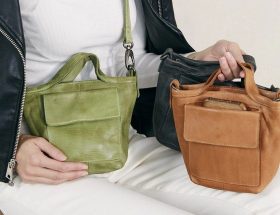
After years of rigid, boxy mini-bags dominating runways, 2026 marks a decisive pivot toward generous, unstructured silhouettes. The new slouch is not the shapeless hobo of decades past—it is engineered softness, achieved through precise pattern-making and premium, pliable leathers.
Key Characteristics
This trend speaks to a broader consumer appetite for ease and versatility—bags that transition seamlessly from office to evening without a change of outfit.
3. Technical Minimalism and Smart Integration
The intersection of fashion and technology has matured. Rather than gimmicky features, 2026’s smart bags prioritize invisible utility. Expect discreet wireless charging pockets, RFID-blocking linings as a standard feature, and integrated trackers built into the bag’s architecture rather than sold as add-ons.
| RFID-blocking lining | Premium add-on | Standard across mid-tier and above |
| Built-in tracking | Third-party insert | Native integration with major ecosystems |
| Wireless charging pocket | Novelty | Expected feature in commuter-focused lines |
| Digital product passport | Pilot programs | Regulatory expectation in key markets |
4. Sculptural Hardware as the New Logo
Quiet luxury has not disappeared—it has evolved. In 2026, logomania continues its retreat, replaced by sculptural hardware as the primary vehicle for brand identity. Oversized, architectural clasps, organic-shaped rings, and asymmetrical chain links function as recognizable signatures without a single letterform in sight.
Designers are treating hardware as jewelry: brushed finishes, mixed metals, and hand-finished detailing that rewards close inspection. For consumers, this represents a shift toward discreet signaling—status communicated through craft and form rather than overt branding.
5. The Mini-Bag Matures: Functional Micro
The mini-bag is not going anywhere, but it is growing up. The 2026 iteration prioritizes function within a compact footprint: phone-specific compartments, card-slot interiors, and convertible straps that allow the bag to be worn crossbody, on the shoulder, or as a belt bag. The category is being repositioned from novelty to everyday essential, particularly in urban markets where hands-free carry is non-negotiable.
6. Color and Finish: Earth Tones Meet High-Shine
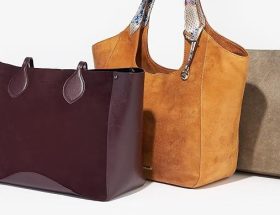
Palette direction for 2026 splits into two distinct lanes. The first is a deepened earth spectrum—oxblood, moss, clay, and espresso—reflecting the continued appetite for grounded, investment-friendly neutrals. The second is a bold return of high-gloss finishes: patent, lacquered exotics, and mirror-metallics that read as futuristic rather than retro.
- Investment neutrals: espresso, stone, and deep olive for longevity
- Statement gloss: liquid silver, lacquered cherry, and chrome effects
- Texture contrast: smooth leathers paired with suede, canvas, or woven raffia panels
Strategic Takeaways for Brands and Buyers
For industry professionals, the 2026 handbag market rewards three capabilities: transparency in sourcing and circularity, engineering that delivers softness without sacrificing structure, and restraint in branding. For consumers, the message is equally clear—the smartest purchases will be modular, repairable, and versatile enough to justify their place in a considered wardrobe.
The through-line across all six trends is intentionality. The handbag of 2026 is designed to be kept, not merely collected—a functional object with a credible story, a long lifecycle, and a form that speaks quietly but unmistakably. Brands that internalize this shift today will define the category tomorrow.