Modern men’s fashion is no longer about following rigid rules or chasing every passing trend. Today, style is about intention: understanding what works for your body, your lifestyle, and your personal brand. Whether you are refreshing a tired wardrobe or building one from scratch, the principles below will help you dress with confidence and consistency. This guide breaks down the essentials of a modern, stylish look — from fit and fabric to color strategy and the finishing details that separate a well-dressed man from a merely dressed one.
Start With Fit, Not Fashion
Fit is the single most important variable in men’s style. An expensive suit that fits poorly will always lose to an affordable one that fits well. Modern tailoring favors a clean, tapered silhouette — close to the body without being tight. Before you buy anything, know your measurements: chest, waist, inseam, sleeve length, and neck. These numbers make online shopping far more reliable and give you a benchmark when trying things on in-store.
Quick Fit Checklist
- Shoulders: The seam should sit at the edge of your shoulder — no drooping, no pinching.
- Chest: You should be able to slide a flat hand inside a buttoned jacket.
- Sleeves: Shirt cuffs should end at the wrist bone; jacket cuffs should show about half an inch of shirt.
- Trousers: A slight break at the shoe is ideal; avoid pooling fabric.
- Waist: Pants should sit without a belt doing the work — if you need a belt to hold them up, size down.
Build a Versatile Core Wardrobe
Style is easier when your closet is built on a foundation of interchangeable pieces. A capsule approach — fewer, better items that all work together — reduces decision fatigue and ensures you always have something appropriate to wear. Prioritize neutral tones and classic cuts, then layer in personality through accessories and statement pieces.
Essential Pieces for a Modern Wardrobe
| Tops | White and light-blue Oxford shirts | Versatile from office to weekend; pairs with everything |
| Tops | Quality plain tees (crew and V-neck) | The layering backbone of casual outfits |
| Bottoms | Dark indigo slim-straight jeans | Dresses up or down with ease |
| Bottoms | Navy or charcoal chinos | A smarter alternative to jeans |
| Outerwear | Unstructured navy blazer | Instantly elevates a tee or shirt |
| Outerwear | Minimal bomber or field jacket | Practical layering with modern edge |
| Footwear | White minimalist sneakers | Clean, contemporary, endlessly wearable |
| Footwear | Brown leather derbies or loafers | Bridges smart-casual and formal |
Master Color and Proportion
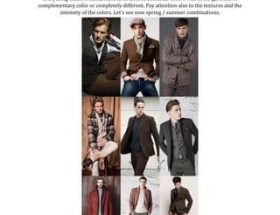
Modern style rewards restraint. Build outfits around a base of neutrals — navy, grey, white, olive, tan, and black — and introduce one or two accent colors. A simple rule: keep the majority of your outfit in two or three tones, and let contrast do the work. High-contrast combinations (light shirt, dark trousers) read as crisp and formal; low-contrast combinations (tonal greys, earth tones) feel relaxed and contemporary.
Proportion matters just as much. Pair a looser top with a slimmer bottom, or vice versa, to avoid looking boxy. Cropped or slightly shorter jackets visually lengthen the legs, while a well-placed high-rise trouser can balance a longer torso. When in doubt, mirror the proportions of the most flattering outfit you already own.
Pay Attention to Fabric and Quality
Fabric determines how a garment drapes, wears, and ages. Natural fibers — cotton, wool, linen, and silk — generally outperform synthetics in comfort and longevity. Look for:
- Wool for suiting and knitwear: breathable, temperature-regulating, and durable.
- Cotton for shirting: choose long-staple varieties for softness and sheen.
- Linen for warm weather: wrinkles are part of the charm, not a flaw.
- Leather for footwear and belts: full-grain leather ages beautifully with care.
Quality also shows in construction: reinforced stitching, consistent patterns at the seams, and hardware that feels solid rather than flimsy. Investing in fewer, better-made pieces almost always pays off.
Elevate With Accessories and Grooming
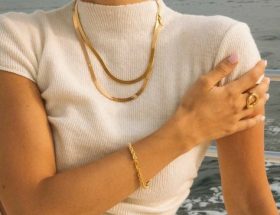
Accessories are where a modern look gains personality. A quality leather watch, a simple chain or signet ring, a well-chosen belt, and a clean pair of sunglasses can transform a basic outfit. The key is editing: choose one or two focal points and let the rest stay quiet.
Accessory Rules of Thumb
Grooming is the invisible half of style. A sharp haircut, well-kept facial hair, trimmed nails, and subtle fragrance signal attention to detail. None of it requires extravagance — consistency is what reads as polished.
Dress for the Context — and Yourself
Modern style is situational. A boardroom, a first date, and a weekend brunch each call for different registers, and the stylish man reads the room before he dresses. That said, authenticity matters: wear what makes you feel confident, and adapt trends to your own taste rather than adopting them wholesale. Trends are tools, not obligations.
Finally, maintain your wardrobe. Press your shirts, polish your shoes, store knits folded, and repair small damage before it spreads. A well-cared-for wardrobe looks more expensive and signals self-respect — the quiet foundation of every genuinely stylish look.
The bottom line: modern men’s style is built on fit, a versatile core, disciplined color, quality fabric, and thoughtful details. Master those fundamentals, and you will look sharp in any room — without ever chasing a trend.