Shopping for shoes online offers unmatched convenience, an endless selection, and the ability to compare prices instantly. Yet for all its advantages, the digital fitting room remains one of e-commerce’s most persistent challenges. Unlike apparel, footwear must accommodate precise measurements, individual gait patterns, and the subtle variations between brands. The good news: with a disciplined, data-driven approach, you can consistently land the perfect fit without ever stepping into a store. This guide outlines the strategies that seasoned online shoppers use to buy footwear with confidence.
Start With Accurate Measurements
Every successful online shoe purchase begins with knowing your true size. Rather than relying on memory or a single past purchase, measure your feet properly—ideally at the end of the day, when feet are at their largest due to natural swelling.
How to Measure at Home
Pro tip: Measure your foot width as well. Many brands offer wide and narrow fits, and ignoring width is one of the most common causes of ill-fitting online purchases.
Study Brand-Specific Sizing
Sizing is not universal. A size 9 in one brand may feel like an 8.5 in another, and running shoes often run small compared to casual footwear. Before committing, consult the brand’s specific size guide and pay attention to any notes about fit tendencies.
- Read the size chart carefully: Look for centimeter measurements rather than relying on nominal sizes alone.
- Check fit descriptors: Brands frequently label shoes as “runs small,” “true to size,” or “runs large.”
- Consult reviews: Customer feedback often reveals consistent fit patterns that official charts omit.
Leverage Reviews and Fit Feedback
Customer reviews are an underutilized resource for fit intelligence. When reading reviews, prioritize feedback from shoppers who describe their foot shape and usual size. Look for recurring themes—if multiple reviewers mention a narrow toe box or a loose heel, take that as reliable data.
| “Runs half a size small” | Consistent sizing deviation | Order a half size up |
| “Great for wide feet” | Generous width | Order your standard width |
| “Heel slips” | Loose rear fit | Consider a smaller size or different model |
| “True to size” | Standard sizing | Order your usual size |
Understand Return and Exchange Policies
Even the most careful shopper occasionally gets it wrong. Before purchasing, verify the retailer’s return window, whether exchanges are free, and whether worn shoes can be returned. Retailers with generous, no-questions-asked policies effectively eliminate the risk of ordering multiple sizes to test at home—a strategy known as “bracketing.”
Always confirm: return shipping costs, restocking fees, and the condition requirements for returned footwear. These details determine whether a trial purchase is genuinely risk-free.
Order Multiple Sizes When Feasible
When a retailer offers free returns, ordering two sizes of the same shoe is a pragmatic tactic. You gain certainty without added cost, and you avoid the friction of a second order and delivery cycle. This approach is especially valuable for premium or performance footwear where fit precision matters most.
Consider Material and Construction
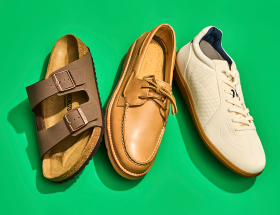
Fit extends beyond dimensions. Leather uppers stretch and mold to the foot over time, while synthetic materials typically retain their shape. Knit uppers offer flexibility and accommodate varying foot volumes, whereas structured designs demand a more precise initial fit. Factor these characteristics into your sizing decision, particularly for shoes you intend to wear for extended periods.
Measure Twice, Buy Once
Finding the perfect fit online is not a matter of luck—it is a process of measurement, research, and informed decision-making. By taking accurate measurements, studying brand-specific sizing, reading reviews critically, and purchasing from retailers with flexible return policies, you can shop footwear digitally with the same confidence as trying shoes on in person. The result is a better fit, fewer returns, and a smoother experience from checkout to first wear.