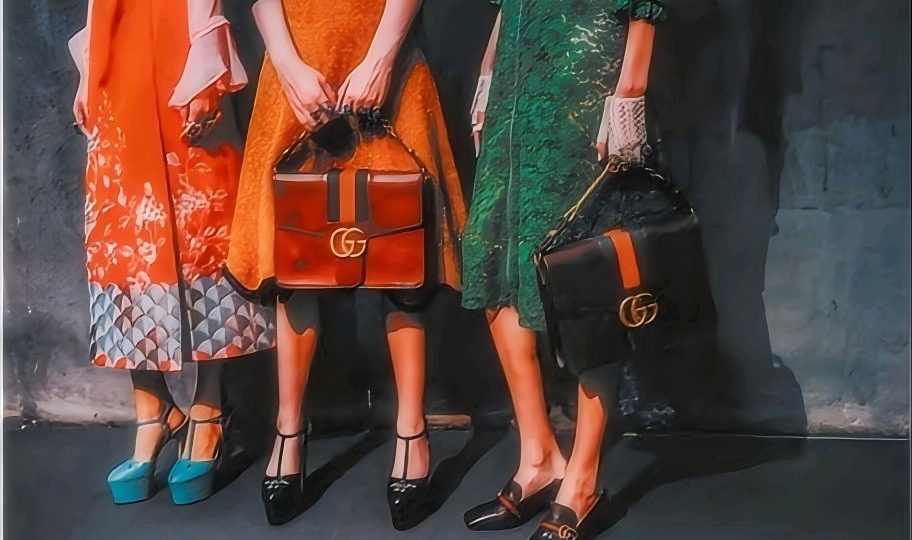
In the world of personal style, few elements communicate sophistication and intentionality as clearly as a well-coordinated accessory set. A handbag, a pair of shoes, and complementary accessories do more than complete an outfit—they signal attention to detail, elevate perceived quality, and create visual harmony. Yet matching these elements is not about strict uniformity. It is about understanding proportion, color theory, texture, and context. This guide breaks down the principles professionals use to match handbags with shoes and accessories with confidence and consistency.
Start with the Foundation: Understand Your Color Strategy
Color is the first and most powerful tool in accessory coordination. Rather than defaulting to an exact match, consider which of the following strategies aligns with your outfit and occasion:
- Exact matching: The handbag and shoes share the same color and finish. This approach is formal, polished, and traditional—ideal for business settings and evening events.
- Tonal matching: Accessories sit within the same color family but vary in shade. This creates depth without visual noise.
- Complementary contrast: The bag or shoes introduce a deliberate accent color. This works best when one accessory anchors the look and the other provides a controlled pop.
- Neutral grounding: A neutral bag and shoe—black, tan, navy, or cream—allow the rest of the outfit to carry the visual interest.
As a rule, the safer and more formal the occasion, the closer the match should be. The more casual or creative the context, the more flexibility you can introduce.
The Role of Texture and Material
Matching is not limited to hue. Texture carries equal weight in perceived coordination. Leather, suede, patent, canvas, and exotic finishes each communicate a different register of formality and season.
Material Pairing Guidelines
| Smooth leather | Smooth or grained leather | Business, formal, everyday |
| Patent leather | Patent leather or polished leather | Evening, events |
| Suede | Suede or matte leather | Autumn, winter, smart-casual |
| Canvas or woven | Leather, espadrille, or woven | Spring, summer, resort |
| Metallic finishes | Metallic or neutral leather | Evening, festive |
A useful principle: match the level of shine, not necessarily the exact material. Two accessories with a similar sheen will read as coordinated even when their materials differ.
Balance Proportion and Scale
Proportion is frequently overlooked, yet it determines whether an accessory pairing feels balanced or awkward. Consider the relationship between bag size, shoe style, and body scale.
- A structured, medium-to-large tote pairs naturally with block heels, loafers, or clean sneakers.
- A compact shoulder bag or clutch suits delicate heels, pointed flats, or minimal sandals.
- Oversized bags can overwhelm very fine, strappy shoes; balance mass with mass.
- Chunky footwear benefits from a bag with visual weight—structured shapes, hardware, or darker tones.
The objective is visual equilibrium. When one element is heavy or bold, the other should either echo that weight or serve as a quiet counterpoint.
Coordinate Metals and Hardware
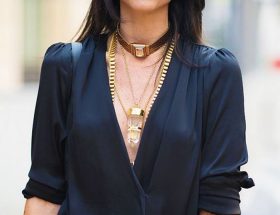
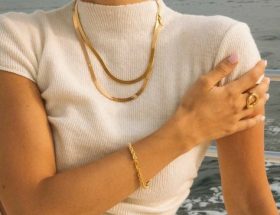
Hardware is the detail that separates a coordinated look from an assembled one. The metal finish on your bag—zippers, clasps, rings—should generally correspond with your jewelry, watch, and shoe hardware.
Integrate Accessories: Belts, Jewelry, and Scarves
Belts, jewelry, and scarves extend the coordination logic established by your bag and shoes. A belt in the same leather tone as your shoes creates a continuous visual line, particularly valuable in tailored dressing. Jewelry should echo the formality level of your accessories—refined pieces with structured bags, bolder pieces with statement footwear.
Scarves and other soft accessories offer a flexible middle ground: they can repeat the accent color of a bag or bridge two tones within the shoe and bag pairing.
Adapt to Context and Season
Context dictates how strictly the rules should be applied. For formal business settings, favor precision—matched leather tones, restrained hardware, and consistent formality. For casual settings, allow tonal variation and mixed materials. Seasonally, lighter tones and woven textures dominate spring and summer, while richer leathers, suede, and deeper hues serve autumn and winter.
Final Checklist for a Coordinated Look
- Confirm the color relationship: exact, tonal, or deliberate contrast.
- Align the sheen and material formality of bag and shoes.
- Balance the visual weight of the bag against the shoe style.
- Unify metal hardware with jewelry and watch finishes.
- Repeat a leather tone in the belt where applicable.
- Match the overall formality to the occasion.
Matching handbags with shoes and accessories is ultimately a discipline of restraint and proportion. When color, texture, scale, and hardware align with the context of the outfit, the result is not merely coordinated—it is quietly authoritative, which is the hallmark of genuinely polished personal style.