Leather bags are more than accessories—they are investments. Whether you carry a premium briefcase to client meetings or a minimalist crossbody on weekends, the material’s durability and character make it a long-term companion. However, leather is also a natural material that responds to its environment. Without proper care, it can dry out, crack, stain, or lose its structural integrity. This guide outlines professional methods for cleaning and maintaining leather bags so they retain their appearance and value for years.
Understand Your Leather Type First
Before applying any product, identify the leather finish. Different tannages require different approaches, and using the wrong agent can cause irreversible damage.
- Full-grain and top-grain leather: Durable, porous, and receptive to conditioning. These benefit most from regular hydration.
- Finished or corrected-grain leather: Treated with a protective coating. Clean gently to avoid stripping the surface layer.
- Suede and nubuck: Require specialized brushes and protectants; never use liquid cleaners or oils.
- Patent leather: Wipe with a damp cloth only; avoid abrasives and conditioning oils.
When in doubt, consult the manufacturer’s care tag or test any product on a small, inconspicuous area such as the interior base.
Routine Cleaning: Little and Often
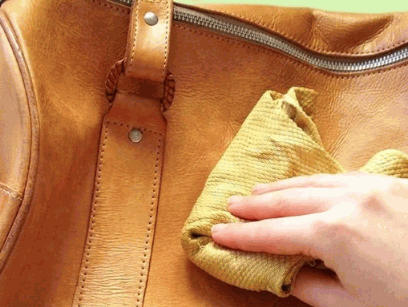
Consistency matters more than intensity. A brief weekly wipe-down prevents dust and oils from compounding into grime.
Avoid household cleaners, alcohol, acetone, and abrasive sponges. These strip natural oils and can dull or discolor the finish.
Deep Cleaning and Conditioning
Perform a deeper clean every three to six months, or sooner with heavy use. Use a pH-balanced leather cleaner applied to a cloth—never directly onto the bag—and work in small sections. Follow with a quality leather conditioner to restore moisture and flexibility.
| Dust wipe-down | Weekly | Dry microfiber cloth |
| Surface cleaning | Monthly | Damp cloth, mild leather cleaner |
| Conditioning | Every 3–6 months | pH-balanced leather conditioner |
| Hardware polishing | Monthly | Soft dry cloth |
Allow conditioner to absorb fully before buffing with a clean cloth. Excess product attracts dirt and can leave a sticky residue.
Protect Against Water, Heat, and Stains
Prevention is the most efficient maintenance strategy. Apply a leather protectant spray seasonally to create a barrier against moisture and spills. If the bag gets wet, blot—never rub—with a dry cloth and let it air-dry away from radiators or hair dryers. Prolonged heat exposure causes cracking and warping, so store bags away from windows and heating vents.
For accidental stains, address them immediately. Blot liquids with a clean cloth, then consult a professional for oil, ink, or dye transfer—aggressive home remedies often spread the damage.
Proper Storage Preserves Shape
- Stuff the bag with acid-free tissue or a shaped insert to maintain structure.
- Store in a breathable cotton dust bag—never plastic, which traps moisture and encourages mold.
- Keep bags upright on a shelf rather than hanging by straps, which stretches them over time.
- Rotate bags regularly so each one airs and avoids prolonged compression.
Hardware and Edge Care
Metal hardware tarnishes with exposure to skin oils and humidity. Wipe zippers, clasps, and rings with a dry cloth after use, and avoid metal polishes that can transfer onto the leather. For edge paint and stitching, inspect periodically for fraying or peeling and have repairs done by a specialist before minor issues become structural ones.
When to Call a Professional
Certain conditions warrant expert intervention: mold, deep scratches, color fading, structural sagging, or significant water damage. A professional leather restorer can re-dye, recondition, and reshape a bag in ways that home care cannot. For high-value or vintage pieces, professional servicing every few years is a sound investment.
Final Thoughts
Leather rewards attention. By identifying your material, cleaning gently and routinely, conditioning seasonally, and storing correctly, you extend the life of your bag and preserve the patina that makes leather distinctive. Treat maintenance as part of ownership—not a chore—and your bag will remain a reliable, refined companion for years to come.