Men’s fashion in 2026 is no longer simply about what you wear—it’s about what your wardrobe says about how you think. The industry has shifted decisively toward a model where technology, sustainability, and personal expression intersect. After years of post-pandemic comfort dressing and hype-driven streetwear cycles, the pendulum has swung toward a smarter, more intentional aesthetic. The result is a season defined by quiet innovation rather than loud logos. Below, we break down the trends that will shape the modern man’s closet in 2026.
Executive Snapshot: What to Know at a Glance
| Smart Fabrics | Tech-integrated performance textiles | Early majority | Long-term |
| Quiet Utility | Functional minimalism without bulk | Mainstream | Long-term |
| Soft Tailoring | Relaxed, unstructured suiting | Mainstream | Long-term |
| Digital Earth Tones | Muted naturals with subtle metallic accents | Growing | Seasonal to mid-term |
| Modular Accessories | Interchangeable, repairable components | Emerging | Long-term |
1. Smart Fabrics Move From Novelty to Necessity
The most significant shift in 2026 is the mainstreaming of smart textiles. What began as experimental wearables has matured into garments that regulate temperature, wick moisture intelligently, and resist odor without chemical treatments. Leading menswear labels are now embedding phase-change materials into everything from Oxford shirts to travel blazers.
For the professional man, this means a wardrobe that performs across climates and schedules without visual compromise. The key is subtlety: no visible sensors, no bulky components—just fabrics that quietly do their job. Look for brands partnering with material science firms to deliver garments that feel like classic cotton but behave like technical gear.
2. Quiet Utility: Function Without the Bulk
Utility dressing isn’t disappearing; it’s refining itself. The 2026 iteration, often called quiet utility, strips tactical details down to their essential purpose. Think hidden pockets, magnetic closures, and reinforced stitching—features you notice only when you need them.
This trend favors:
- Streamlined cargo trousers with flat-front pockets and tapered cuts
- Technical overshirts that layer cleanly under blazers
- Water-repellent chinos indistinguishable from classic cotton twill
- Modular jackets with removable liners and hoods
The message is clear: men want clothing that works harder without announcing it. This aligns with the broader shift toward understated competence in men’s style.
3. Soft Tailoring Redefines the Suit
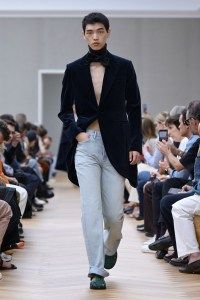
The suit is not dead—it has been rebuilt. In 2026, soft tailoring dominates formal and business-casual dressing. Unstructured shoulders, unlined jackets, and relaxed drape define the silhouette. Fabrics lean toward breathable blends: wool-silk, linen-cotton, and stretch-infused flannel.
This trend reflects a permanent change in how men work. With hybrid schedules now standard, the modern suit must transition from boardroom to dinner without stiffness. Designers are answering with garments that feel like knitwear but read as formal. Pairing an unstructured blazer with wide-leg trousers and minimalist sneakers is now a credible—and increasingly common—professional look.
Key Fabric Choices for Soft Tailoring
4. The New Color Palette: Digital Earth Tones
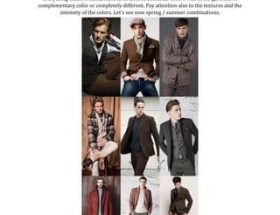
Color in 2026 borrows from both nature and screen. Digital earth tones—muted clays, sage greens, and sand neutrals—are punctuated by subtle metallic accents in trims, hardware, and knitwear. The effect is grounded but forward-looking, a visual metaphor for the analog-digital balance of modern life.
For easy adoption, build your base in earth tones and introduce metallic detail through accessories: a gunmetal watch, a brushed-steel belt buckle, or a charcoal knit with a faint sheen. Avoid high-contrast neon; the 2026 aesthetic rewards restraint with a technological whisper.
5. Modular Accessories and the Repair Economy
Accessories are becoming modular and repairable. Bags with interchangeable straps, shoes with replaceable soles, and belts with swappable buckles are moving from niche to mainstream. This trend is driven by both sustainability mandates and consumer demand for longevity.
For the tech-savvy professional, this dovetails with a broader buy-once, maintain-forever philosophy. Expect to see more brands offering lifetime repair programs and component upgrades—an approach that mirrors the software update model applied to physical goods.
6. Footwear: Performance Disguised as Classic
Men’s footwear in 2026 favors hybrid designs: derby silhouettes with sneaker soles, loafers with technical linings, and boots with weatherproof membranes. The goal is versatility—one pair that handles a commute, a meeting, and an evening out.
Notable directions include:
- Technical derbies with cushioned insoles and water-resistant uppers
- Suede sneakers in earth tones with antimicrobial linings
- Chelsea boots with replaceable soles and breathable membranes
Final Take: Intentionality Over Hype
The defining characteristic of men’s fashion in 2026 is intentionality. The trends above share a common thread: clothing that performs, lasts, and communicates quiet confidence rather than loud status. For the modern professional, the winning strategy is to invest in fewer, better pieces that bridge technology and craftsmanship.
Build your 2026 wardrobe around smart fabrics, soft tailoring, and modular accessories—and let the technology speak for itself. The best-dressed man this year won’t be the loudest; he’ll be the most considered.