
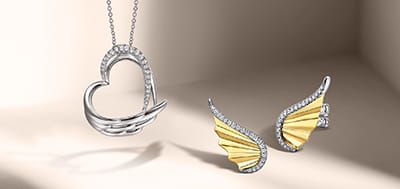
Jewelry is more than an accessory; it is a statement of identity, a reflection of personal taste, and often a meaningful investment. When it comes to choosing between gold and silver, the decision extends far beyond simple color preference. Each metal carries its own character, durability profile, maintenance requirements, and stylistic associations. Understanding these distinctions is essential for anyone who wants their jewelry choices to align with their lifestyle and aesthetic goals.
This guide breaks down the defining characteristics of gold and silver jewelry, compares them across the factors that matter most, and helps you determine which style best suits your needs.
The Timeless Appeal of Gold Jewelry
Gold has symbolized wealth, warmth, and permanence for millennia. Its rich yellow hue and natural luster make it instantly recognizable, and its resistance to tarnish has made it a staple in fine jewelry collections across cultures.
Key Characteristics
- Durability: Pure gold is soft, but alloyed gold (measured in karats) offers excellent strength. 14K and 18K gold strike a practical balance between hardness and purity.
- Tarnish Resistance: Gold does not tarnish or corrode under normal conditions, making it ideal for everyday wear.
- Hypoallergenic Options: Higher-karat gold alloys are generally well tolerated by sensitive skin.
- Investment Value: Gold retains intrinsic value and can be resold or passed down as an heirloom.
Stylistic Associations
Gold jewelry projects warmth, elegance, and classic sophistication. Yellow gold complements warm undertones and pairs beautifully with earth-toned and jewel-toned wardrobes. White gold offers a cooler, more contemporary aesthetic that resembles platinum, while rose gold brings a romantic, vintage-inspired warmth.
The Modern Versatility of Silver Jewelry
Silver has been used in ornamentation for thousands of years and remains one of the most accessible fine jewelry metals. Its bright, cool sheen and remarkable versatility have made it a favorite among minimalist and fashion-forward designers alike.
Key Characteristics
- Affordability: Sterling silver delivers genuine fine-jewelry quality at a fraction of the cost of gold.
- Versatility: Its neutral tone pairs effortlessly with virtually any outfit or color palette.
- Malleability: Silversmiths can craft intricate, delicate designs that would be difficult to achieve in harder metals.
- Maintenance Needs: Sterling silver tarnishes over time and requires regular cleaning and proper storage.
Stylistic Associations
Silver jewelry reads as modern, understated, and effortlessly cool. It flatters cool skin undertones and works particularly well with monochrome, pastel, and minimalist aesthetics. Sterling silver is also the metal of choice for bold statement pieces, edgy designs, and layered everyday stacks.
Gold vs Silver: A Direct Comparison
The table below summarizes the most important factors to consider when choosing between the two metals.
| Cost | Higher; priced by weight and karat | Lower; highly accessible |
| Durability | Excellent in alloyed forms (14K–18K) | Good, but softer and prone to scratches |
| Tarnish Resistance | Does not tarnish | Tarnishes; requires routine care |
| Skin Sensitivity | Generally hypoallergenic at higher karats | Sterling silver is usually well tolerated; nickel alloys in cheap pieces may irritate |
| Style Range | Classic, luxurious, heirloom-oriented | Modern, minimalist, experimental |
| Everyday Wear | Excellent, especially rings and chains | Good, with regular maintenance |
| Investment Potential | Strong; retains and often appreciates in value | Limited; primarily decorative value |
How to Match Metal to Your Lifestyle
Choosing between gold and silver is ultimately a question of how you live and what you want your jewelry to communicate. Consider the following scenarios:
Considerations for Skin Tone and Styling
While personal preference should always lead, skin undertones can guide your choice. Warm undertones—often identified by golden or peachy hues—tend to harmonize with yellow and rose gold, while cool undertones pair naturally with silver and white gold. Neutral undertones can wear either with ease.
Styling context matters as well. Gold lends formality and gravitas to business attire and evening wear, whereas silver excels in casual, creative, and contemporary settings. Many modern wearers deliberately mix the two metals for a personalized, curated look—an approach that has shed its former taboo and is now widely embraced in fashion circles.
Final Verdict: Which Suits You Best?
There is no universal winner in the gold versus silver debate—only the metal that best fits your priorities. Choose gold if you value durability, investment potential, tarnish resistance, and a classic, luxurious aesthetic. Choose silver if you prioritize affordability, versatility, modern styling, and the freedom to experiment with your collection.
For many jewelry lovers, the smartest approach is a hybrid one: invest in a few high-quality gold pieces for daily wear and significant occasions, and supplement them with a rotating selection of sterling silver designs for everyday versatility. Whichever path you choose, let your lifestyle, skin sensitivity, and personal style—not passing trends—guide the decision. The right metal is the one you will reach for again and again.